
Project Planning Checklist for Home Builder
This checklist is designed to guide a home builder specializing in custom homes through the pre-construction phase. It ensures that all necessary planning steps are completed efficiently and effectively, setting the stage for successful project execution. The checklist covers defining project milestones, reviewing architectural and engineering drawings, identifying potential constraints, preparing site logistics plans, aligning with trade partners, and developing a realistic project roadmap.
Define project milestones
Step 1: Identify key phases
Break down the project into major phases such as design, permitting, site preparation, foundation, framing, and finishing. Each phase should have a start and end date, providing a timeline for completion.
Step 2: Set milestone dates
Assign specific dates to each milestone based on the overall project timeline. Consider factors such as weather, resource availability, and client deadlines to ensure realistic scheduling.
Step 3: Communicate milestones
Share the milestone schedule with all stakeholders, including the project team, trade partners, and the client. Ensure everyone understands the importance of meeting these dates and their role in achieving them.
Review architectural and engineering drawings
Step 1: Gather all drawings
Collect the latest versions of architectural, structural, mechanical, electrical, and plumbing drawings. Ensure they are complete and approved by the relevant authorities.
Step 2: Conduct detailed review
Examine each drawing for accuracy and completeness. Look for discrepancies between different disciplines and ensure that all specifications meet project requirements.
Step 3: Document findings
Record any issues or questions that arise during the review. Use a standardized form to ensure consistency and clarity in documentation.
Step 4: Coordinate with design team
Discuss any discrepancies or concerns with the architects and engineers. Seek clarification and request revisions if necessary to resolve issues before construction begins.
Identify project constraints
Step 1: Assess site conditions
Evaluate the site for access, topography, soil conditions, and existing structures. Identify any factors that may impact construction activities.
Step 2: Review regulatory requirements
Examine local building codes, zoning laws, and environmental regulations. Ensure compliance and identify any permits or approvals needed before construction can proceed.
Step 3: Evaluate resource availability
Determine the availability of labor, materials, and equipment. Consider potential shortages or delays that could affect the project timeline.
Step 4: Develop mitigation strategies
Create plans to address identified constraints. This may include adjusting the schedule, sourcing alternative materials, or redesigning certain aspects of the project.
Prepare site logistics plan
Step 1: Map site layout
Create a detailed map showing the location of key elements such as access roads, storage areas, and temporary facilities. Consider the flow of materials and personnel to optimize efficiency.
Step 2: Plan material storage
Designate specific areas for storing materials and equipment. Ensure these locations are secure and accessible, minimizing the risk of damage or theft.
Step 3: Establish safety zones
Identify areas that require restricted access for safety reasons. Clearly mark these zones and communicate their purpose to all site personnel.
Step 4: Coordinate with trade partners
Share the logistics plan with all trade partners and incorporate their input. Ensure that everyone understands the layout and their responsibilities in maintaining site organization.
Align with trade partners on schedule expectations
Step 1: Hold kickoff meeting
Organize a meeting with all trade partners to discuss the project timeline and key milestones. Use this opportunity to address any concerns and clarify expectations.
Step 2: Review trade schedules
Examine the schedules provided by each trade partner. Ensure they align with the overall project timeline and identify any potential conflicts or overlaps.
Step 3: Establish communication protocols
Set up regular meetings and reporting procedures to monitor progress and address issues promptly. Encourage open communication and collaboration among all parties.
Step 4: Document agreements
Record any agreements or commitments made during discussions. Share this documentation with all stakeholders to ensure accountability and transparency.
Develop realistic project roadmap
Step 1: Create detailed schedule
Develop a comprehensive schedule that includes all tasks, durations, and dependencies. Use project management software to facilitate planning and tracking.
Step 2: Incorporate risk management
Identify potential risks and develop contingency plans. Consider factors such as weather, supply chain disruptions, and labor shortages.
Step 3: Allocate resources
Assign personnel, equipment, and materials to each task. Ensure that resources are available when needed to avoid delays.
Step 4: Review with stakeholders
Present the roadmap to the project team, trade partners, and the client. Gather feedback and make adjustments as necessary to ensure buy-in and alignment.
Document project planning process
Step 1: Compile planning documents
Gather all relevant documents, including schedules, meeting notes, and agreements. Ensure they are organized and easily accessible.
Step 2: Create project binder
Assemble a binder or digital folder containing all planning documents. Include a table of contents for easy navigation.
Step 3: Distribute to stakeholders
Share the project binder with all stakeholders, ensuring they have access to the information they need. Encourage feedback and address any questions or concerns.
Step 4: Update regularly
Keep the documentation up to date throughout the project. Record any changes or new agreements to maintain an accurate record.
Conduct internal reviews
Step 1: Schedule review meetings
Plan regular meetings with the project team to discuss progress and challenges. Set a consistent schedule to maintain momentum and accountability.
Step 2: Evaluate project status
Assess the current status of the project against the roadmap and milestones. Identify any deviations and determine their causes.
Step 3: Identify improvement opportunities
Encourage team members to share ideas for improving processes and addressing challenges. Foster a culture of continuous improvement.
Step 4: Document review outcomes
Record the outcomes of each review, including action items and responsible parties. Share this documentation with the team to ensure follow-through.
Establish client communication expectations
Step 1: Define communication channels
Agree on the preferred methods of communication, such as email, phone, or in-person meetings. Ensure that all parties are comfortable with the chosen channels.
Step 2: Set communication frequency
Determine how often updates will be provided to the client. Consider weekly or bi-weekly meetings to discuss progress and address any concerns.
Step 3: Clarify information needs
Understand what information the client requires and tailor updates accordingly. Provide clear and concise reports that highlight key developments.
Step 4: Document communication plan
Create a written communication plan that outlines the agreed-upon channels, frequency, and content of updates. Share this plan with the client and project team.
Implement risk mitigation steps
Step 1: Identify potential risks
Conduct a risk assessment to identify potential threats to the project. Consider factors such as weather, supply chain issues, and regulatory changes.
Step 2: Develop mitigation strategies
Create plans to address each identified risk. Consider options such as alternative suppliers, schedule adjustments, and additional safety measures.
Step 3: Assign risk owners
Designate team members responsible for monitoring and managing each risk. Ensure they have the authority and resources needed to implement mitigation strategies.
Step 4: Monitor and update risks
Regularly review the risk register and update it as needed. Track the effectiveness of mitigation strategies and adjust plans as necessary to address new or evolving risks.
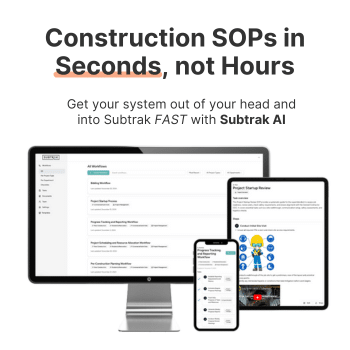
👈 Use this SOP template inside Subtrak
Edit with AI. Customize in seconds. Store and share all your SOPs and checklists in one place.