When a construction project goes sideways, it’s easy to blame the people doing the work. The foreman should have caught that mistake, or the crew should have known better. Maybe the project manager should have been paying closer attention.
Sometimes that’s true. People make mistakes, especially when things get busy. But a good business owner also asks a different question: What can we do differently to keep this from happening?
And more often than not, the answer lies in the work that’s done before the crew ever steps foot on site.
Project startup is the time between signing the contract and mobilizing to the site, and it’s the best time to protect your profit. That’s when you should be checking the plans, asking questions, getting better prices, and solving problems while there’s still time to do something about them.
Once your crew’s on site, those same problems can get expensive fast.
Here are six common ways contractors lose money on projects and how a better startup process could help prevent them.
1. Your crew shows up, but the job isn’t ready
There’s not much worse than sending a crew to a job only to find out they can’t get to work.
The last trade hasn’t finished, or the work area you were promised is full of someone else’s materials. Maybe the lift you need isn’t there, or the first material you need to install isn’t arriving until the end of the day.
Now you’ve got a crew standing around while the foreman makes phone calls and tries to figure out what to do. You’re paying for labor, but you’re not getting any work done.
How can this be prevented?
Before you commit to a start date, have your superintendent or site lead walk the job with a pre-start checklist. Don’t just take someone’s word that everything is ready. Go see for yourself.
Check that the work area is clear, the last trade is finished with their work, and the equipment and materials you need will be there. If something isn’t ready, deal with it before you send your crew.
When your team shows up on Monday morning, they should be able to get right to work, not scrambling for a plan.
2. Your crew installs something wrong and has to do it twice
Rework can destroy your profit on a job.
Imagine your crew spends three days installing a certain product, only to find out it doesn’t meet the plans or the manufacturer’s warranty requirements. Worse yet, maybe they’ve already covered it up! Actually, I’m willing to bet you don’t have to imagine anything, because I’m sure it’s happened to you.
And when it did, you probably found yourself choosing between three bad options: hope nobody notices, tear it out and reinstall it, or beg for forgiveness and risk hurting your reputation.
The easy response might be to blame the installer. After all, they’re the ones who put it in wrong. Or maybe the PM should have caught it ahead of time. But they’re managing six different projects and missed this small, yet costly, detail.
Whoever’s “fault” it may be, the bottom line is that no one checked the installation details before the job started. Did the project manager review the plans with the foreman? Did someone confirm that the chosen product would meet the job’s requirements?
It doesn’t matter now. At this point, it’s costing you morals, money, or credibility.
How can this be prevented?
During project startup, thoroughly review the plans, product details, and installation instructions. Make sure the products you’ve chosen will meet the job’s needs and any required warranties. Get the necessary approvals in writing from the client, design team, or manufacturer so you know the products and installation methods meet the project requirements.
Then sit down with the people who will lead the work and go over the details that matter. Don’t leave them to figure everything out after the materials are ordered and delivered.
A short meeting, a few customized details, and one final double-check before the job starts could save days and thousands of dollars of costly rework.
3. Your crew has to stop because nobody knows what the plans mean
Anyone who’s worked for about five seconds in construction knows that plans aren’t always perfect. Details are missing, drawings don’t match, and sometimes what’s shown on paper doesn’t make sense in the field. Project designs change constantly, and the drawings your PM gave your crew might not even match the latest plan set.
The problem is when nobody catches those issues until the crew is ready to do the work.
Now the foreman has a question, so the project manager sends an RFI. But then everyone has to wait for the architect or engineer to respond.
Meanwhile, the schedule keeps moving and the crew has to stop, work out of order, or come back another day. Or worse, your crew gets pressured into installing a few extra details because they’re “not that big of a deal.”
Now you’ve done extra work, taken on risks you may not have agreed to, and probably won’t get paid for any of it.
How can this be prevented?
A good project startup process includes a close review of the plans before work begins. It requires the estimator and the project manager to work together to look for missing details, things that don’t match, and anything that might be hard (or impossible!) to build.
Make a habit of getting your questions in and answered early, while you still have room to adjust.
This is also a great time to look for ways to save money. Maybe there’s a different product or method that would work just as well for less money. If you spot it early, you have time to suggest the change, get it approved, save some money, and be a hero to the client.
That’s called value engineering, and it’s much easier to do before the materials are ordered and the crew starts installing them. It’s almost impossible to do after the fact.
4. You pay too much for materials because you waited too long
Every contractor has had to make that painful phone call to a supplier.
You need a product right away, but it’s going to take four weeks to arrive. Another supplier can get it sooner, but the price is much higher.
At that point, you don’t have many choices. You either pay more, delay the work, or go through the lengthy process of proposing an alternate product that might not even get approved. Meanwhile, the schedule is slipping as you figure out what to do next.
The reality is that nobody checked the lead times before the submittals were turned in.
How can this be prevented?
As soon as you win a job, identify the materials that could take a long time to get. Check prices and lead times with suppliers, and get approvals and orders moving early enough to meet the schedule.
When it makes sense, get quotes from more than one supplier or subcontractor. You may find a better price, a shorter lead time, or both.
The earlier you do this, the more choices you have. Wait until the last minute, and you’re often stuck with whatever you can get.
5. Your project manager doesn’t know what the estimator promised
Your estimator may spend weeks working with a client and learning about a project before the company wins the job. They walk the site, read the plans, meet with the customer, and work through the finer details of the price.
Then the contract gets signed and the job gets handed to a project manager.
If that handoff is rushed or non-existent, important details can get lost. Too often, the scope that the estimator bid doesn’t end up being the same scope the project manager prepares to install.
Maybe the estimator knew the customer wanted a certain product, or that there was a site issue they promised to deal with in a specific way. Or maybe the bid intentionally left something out that the PM thinks is included.
As a poorly planned job unfolds, those sorts of things are bound to come up. And they can lead directly to complaints, disputes, extra work, and costs nobody planned for.
How can this be prevented?
Every new project should start with a good estimator-to-project manager handoff. It should also include a checklist of common problems that have burned the company in the past, so those same mistakes don’t happen again.
Go through the contract, the proposal, and the scope of work line by line. Talk about what’s included, what’s excluded, and any risks the estimator found along the way.
The project manager should leave that meeting knowing exactly what the company agreed to build, how it was priced, and where problems might come up.
It may seem like overkill, but you don’t want your project manager finding out what was promised or excluded halfway through the job.
6. Your foreman shows up without a clear plan for the work
Even when the materials are ready and the plans are right, a job can still get off to a bad start if the field team doesn’t know what to expect.
Maybe the foreman planned to start on one side of the building, but another trade needs that area. Perhaps the project manager expected the work to take five days, but the crew is planning for eight. Or nobody talked about where materials would be stored and how the crew would move around the site.
These may sound like small issues, but they can waste a lot of labor when they happen day after day, project after project.
How can this be prevented?
Before the job starts, hold an on-site pre-job meeting with the project manager, superintendent, and foreman. Walk the site together and talk through how the work is going to happen.
Go over the schedule, the details, the sequence of work, the crew size, the materials, and the equipment. Talk about what might get in the way and how you’ll handle it.
Make sure the people doing the work understand the plan and have a chance to ask questions and offer their input.
Your foreman shouldn’t have to show up on the first day and figure out the whole job with the crew standing around. Give them a clear plan and the tools they need to get the work done right.
The best contractors protect their profit before the job starts
Every one of the problems above has probably happened to your company at some point. In fact, many of them may have happened more than once.
Unfortunately, that’s normal in construction. It seems like no matter how much you plan, things will still go wrong. But the best contractors don’t just put a bandaid over the problem and move on. They learn from it and find ways to keep it from happening on the next job.
If your crew lost a day because the site wasn’t ready, add a site readiness check to your startup process. If you had to redo work because nobody checked the manufacturer’s instructions, make that review a required step. Every mistake is a chance to make your company a little better.
Over time, your project startup process becomes a collection of lessons learned from years of doing the work. Instead of relying on your best people to remember everything, you’ve built a repeatable process that helps the whole team avoid the same costly mistakes.
And here’s why that matters so much: Your greatest chance to protect a project’s profit comes before the work even starts.
Once your crew is on site, the clock is running. Every delay, mistake, and extra trip drains money out of the job. But before the work starts, you have time to find better prices, catch problems in the plans, check that the site is ready, and make sure your team knows exactly what to do.
You don’t need a hundred-page manual to make this happen. A good checklist, clear roles, and someone making sure the right steps get done can go a long way.
Great contractors don’t just expect better work from their crews. They put the systems in place ahead of time to help their crews succeed.
And the more you learn from each project, the better those systems become.
Build a better project startup process with Subtrak
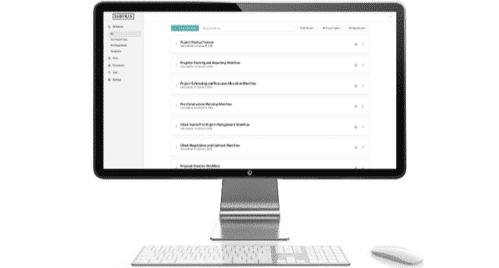
Subtrak helps contractors build and follow repeatable project startup checklists so important steps like these don’t get missed. You can assign tasks, set due dates, send reminders, and make sure the right work gets done before the crew gets to the site.
Instead of hoping everyone remembers what needs to happen, give your team a clear startup process to follow on every project.
Book a free consultation to see how Subtrak can help you build a better project startup process.